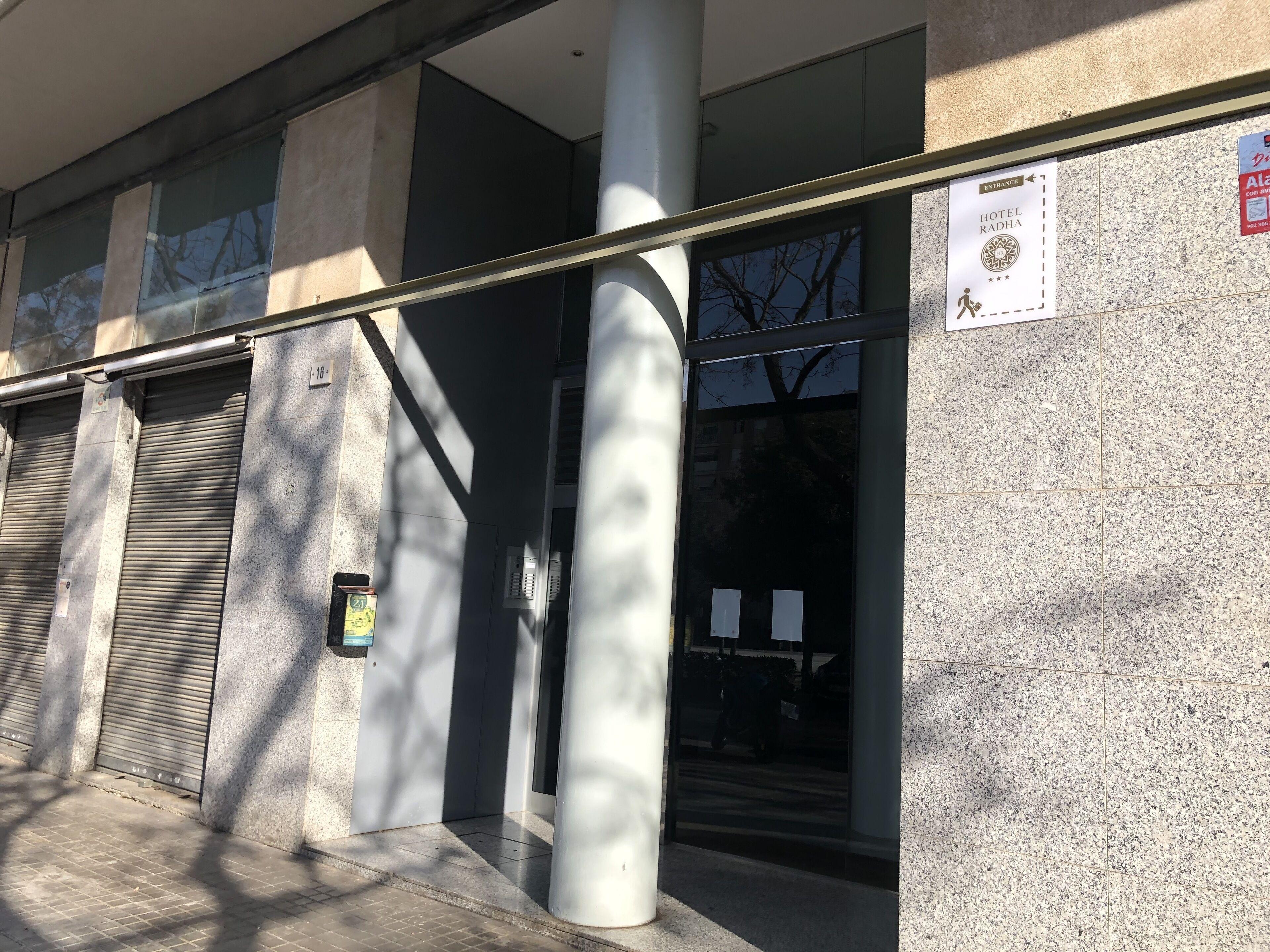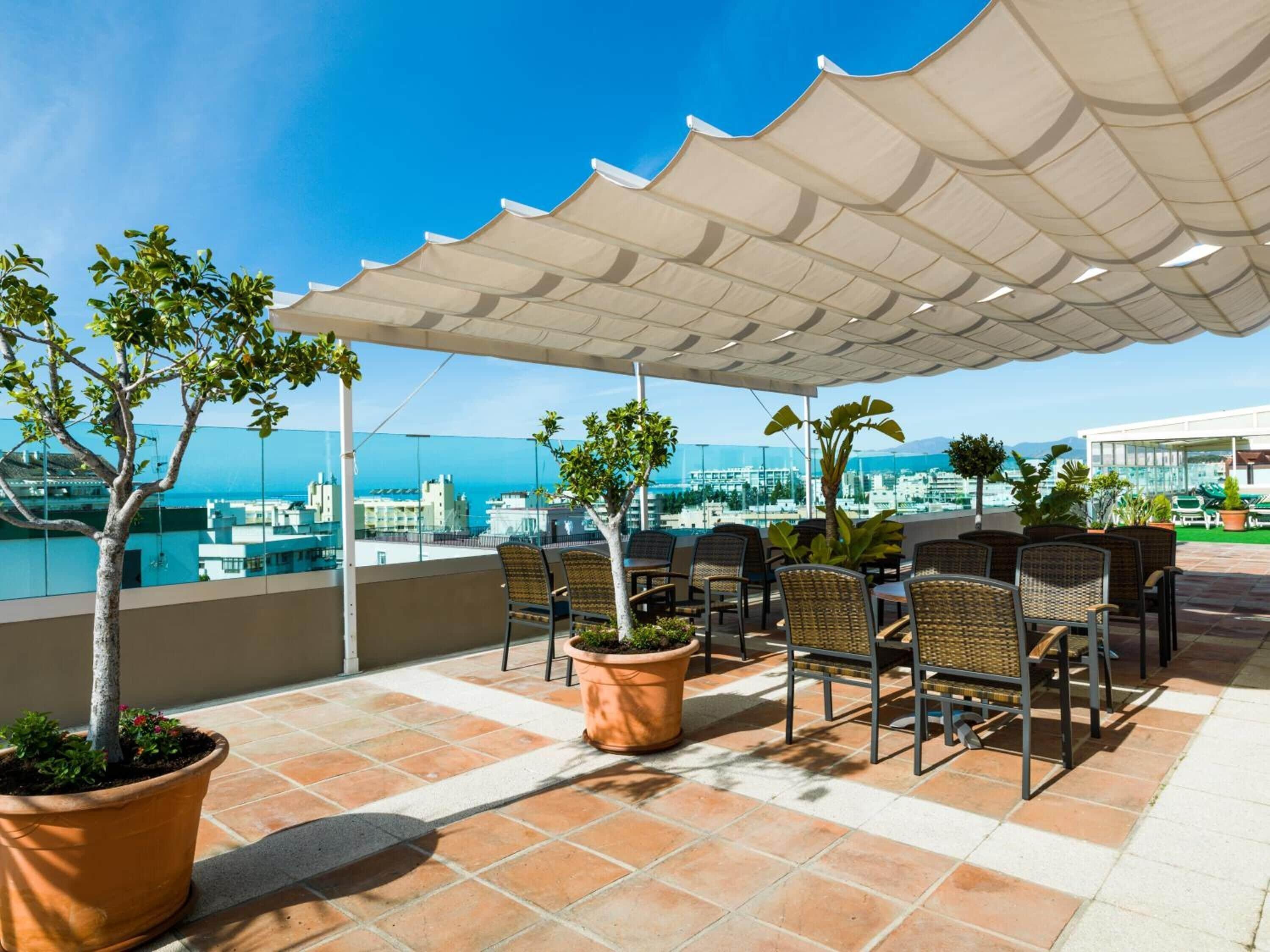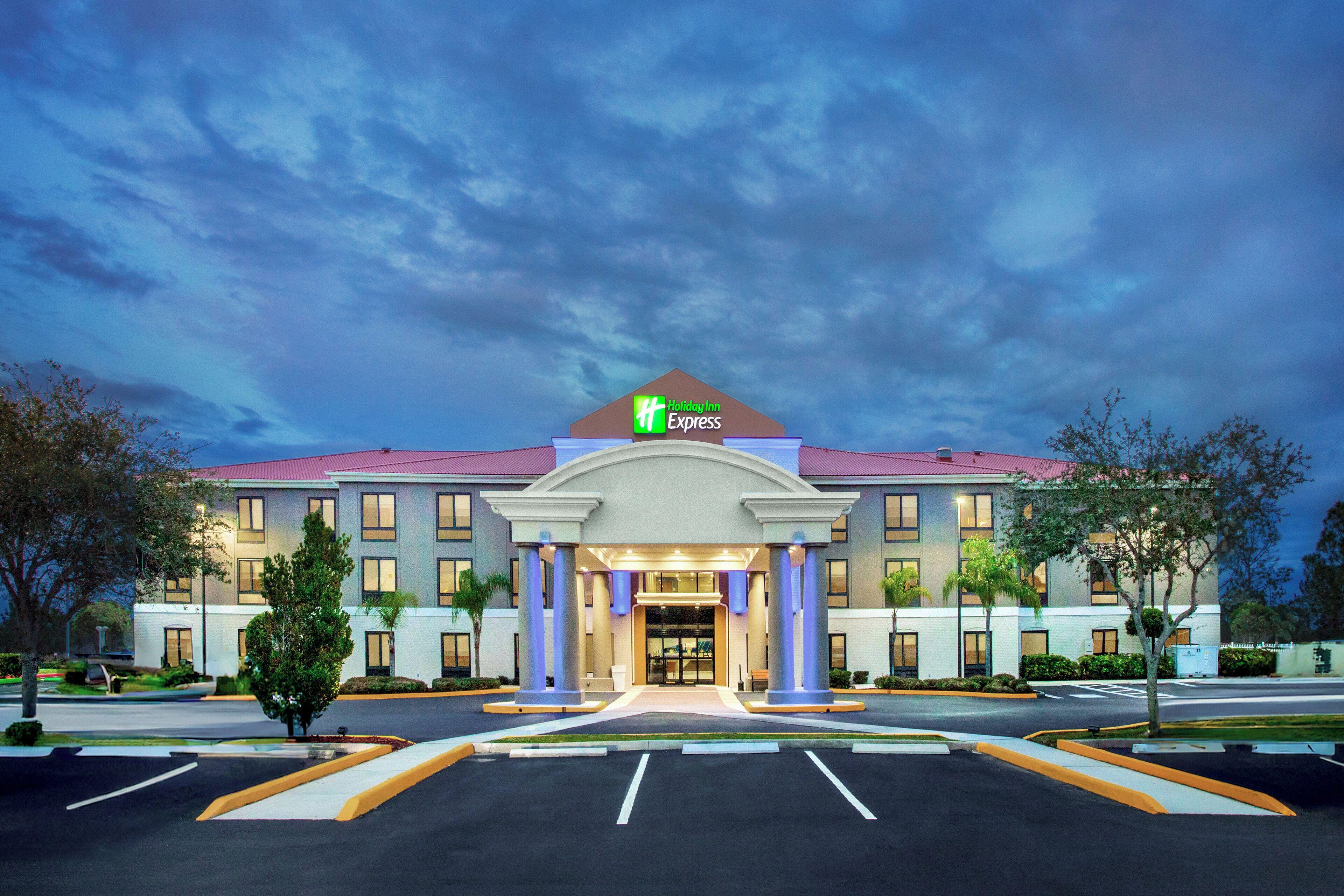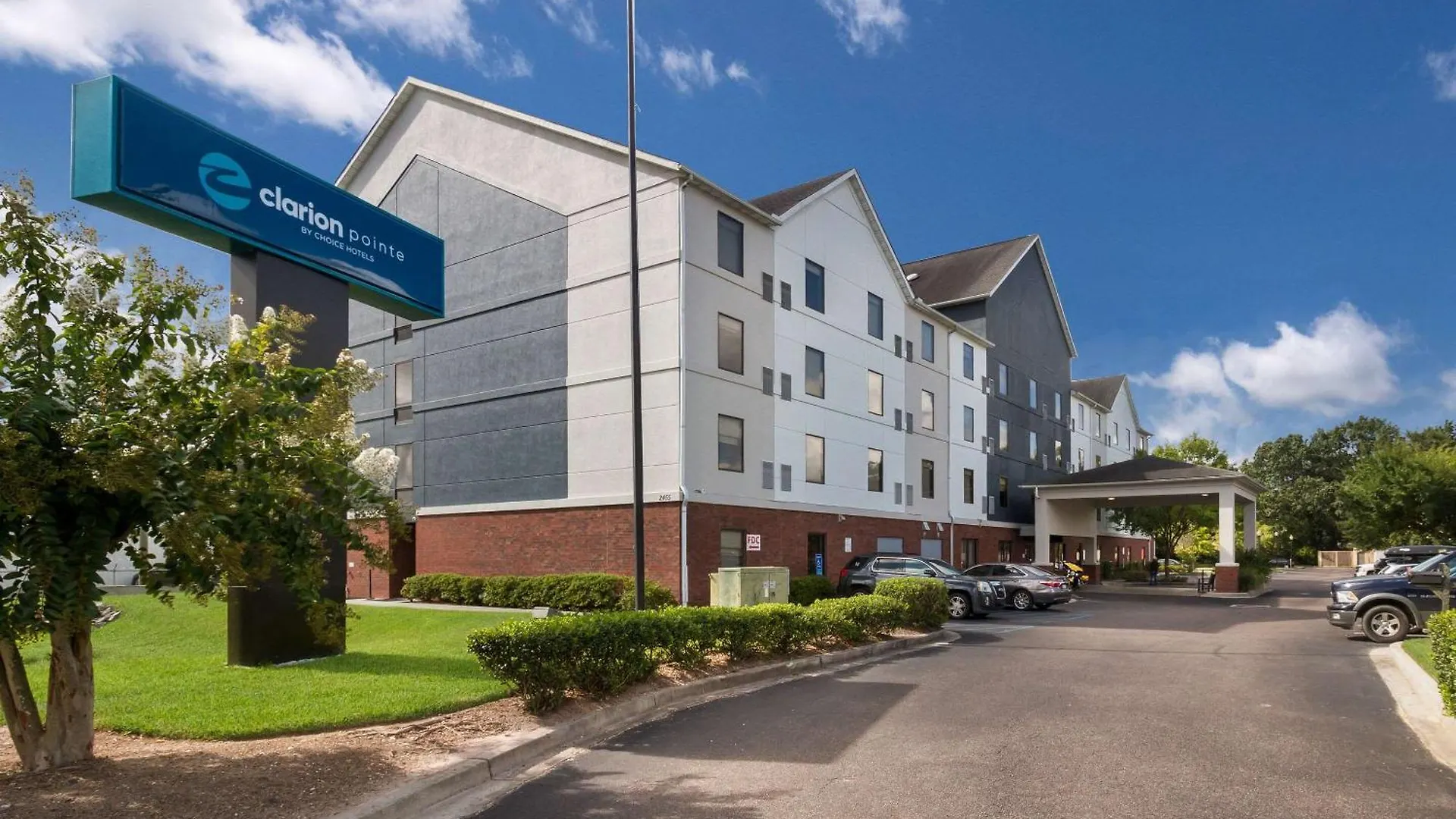
Lowcountry, South Carolina stretches across a coastal region defined by tidal marshes, antebellum history, and some of the most visited beach destinations on the East Coast - all without the premium price tag of cities like Savannah or Miami. Budget travelers staying here can access Charleston's historic district, Hilton Head Island's beaches, and wildlife refuges without paying downtown resort rates. This guide covers the most practical cheap hotel options across Lowcountry's key corridors, with honest insights on what you're actually getting for your money.
What It's Like Staying in Lowcountry
Lowcountry is not a compact urban destination - it's a sprawling coastal region spanning Charleston, Hilton Head Island, Goose Creek, and dozens of barrier islands connected by causeways and highway corridors. A car is essential here; public transport is minimal outside of Charleston's CARTA bus network, and most budget hotels are positioned along highway corridors rather than walkable cores. Crowd patterns vary sharply: Charleston's French Quarter and Rainbow Row draw heavy foot traffic from March through October, while Hilton Head peaks from May through August with beach-bound families.
Pros:
- Budget hotels along I-526 and Highway 17 give you highway access to both Charleston's historic core and coastal areas without downtown pricing
- Lowcountry's main attractions - Magnolia Plantation, Hilton Head beaches, Pinckney Island Wildlife Refuge - are all reachable by car within 30 minutes from most budget corridors
- The region's off-peak season (November through February) offers significantly lower nightly rates and thinner crowds at major sites
Cons:
- Without a car, budget hotel locations along highway strips leave you stranded - rideshare costs to downtown Charleston from West Ashley run around $15 per trip
- Many budget properties near I-526 sit in commercial corridors with no walkable dining or atmosphere in the immediate surroundings
- Peak-season beach proximity comes at a cost even at budget tier - Hilton Head budget options fill fast by late spring
Why Choose Budget Hotels in Lowcountry
Budget hotels in Lowcountry are disproportionately well-positioned relative to what you pay - largely because the region's highway infrastructure means a $90/night room off I-526 can put you within 15 minutes of both Charleston's historic peninsula and coastal nature reserves. Unlike boutique properties in downtown Charleston that charge premium rates for atmosphere, budget hotels here trade ambiance for functionality: free parking, free WiFi, basic breakfast, and rooms large enough to store beach gear. All-suite formats are common in this budget tier, which is rare in urban markets, giving families and extended-stay travelers genuine living space at low price points.
Pros:
- Free parking is standard across budget properties in Lowcountry - a meaningful saving in Charleston where downtown garages charge around $20 per day
- Several budget hotels include complimentary breakfast, reducing daily food costs for multi-night stays
- All-suite configurations at budget price points offer kitchenettes or full refrigerators, enabling self-catering that further cuts trip costs
Cons:
- Budget hotels here lack resort amenities - no beachfront access, no concierge, and limited on-site dining beyond basic breakfast service
- Rooms in highway-corridor budget hotels can face road noise, particularly those fronting Highway 17 or I-526 interchanges
- Guest experience consistency varies by property management - reviews across budget brands in this region show wider quality variance than mid-range options
Practical Booking & Area Strategy
The strongest budget positioning in Lowcountry is the West Ashley corridor along Highway 17 and I-526, which places you under 13 km from downtown Charleston while keeping nightly rates well below what peninsula hotels charge. For Hilton Head access, budget options on the island itself are limited - most sit near the main entrance off US-278, putting you within 10 minutes of the beach without paying oceanfront premiums. Goose Creek, northwest of Charleston, suits travelers visiting Charleston Southern University or the Naval Weapons Station, with the added benefit of quieter surroundings and easier parking. Book at least 6 weeks ahead for any Lowcountry stay between May and August - summer demand compresses availability fast across all budget tiers, especially in Hilton Head where budget inventory is thin to begin with.
Top things to do in Lowcountry include exploring Magnolia Plantation and Gardens, kayaking through ACE Basin, cycling the Hilton Head Island trail network, touring Fort Sumter by ferry from Charleston, and visiting Pinckney Island National Wildlife Refuge - all of which are car-accessible from budget hotel corridors without significant detours.
Best Value Stays
These properties offer the strongest cost-to-utility ratio in their respective Lowcountry corridors, with practical amenities that reduce daily trip expenses beyond the room rate itself.
-
1. Clarion Pointe Charleston - West Ashley
Show on map


 Check-infrom 15:00 until 23:59Check-outuntil 11:00
Just a few rooms left at the best rate!
fromUS$ 79
-
2. Holiday Inn Express Charleston Us Highway 17 & I-526 By Ihg
Show on map


 Check-infrom 15:00 until 23:59Check-outuntil 11:00
Just a few rooms left at the best rate!
fromUS$ 117
-
3. Days Inn By Wyndham Goose Creek
Show on map


 Check-infrom 14:00 until 23:59Check-outuntil 11:00
Hurry – almost gone at this price!
fromUS$ 80
Best Premium Budget Option
This property delivers the best location-to-price balance for travelers prioritizing beach access over urban proximity, in a part of Lowcountry where budget inventory is limited.
-
4. Red Roof Inn Hilton Head Island
Show on map


 Check-infrom 16:00 until 23:59Check-outuntil 11:00
Rooms filling fast – secure the best rate!
fromUS$ 79
Smart Travel & Timing Advice
Book Lowcountry budget hotels at least 6 weeks before any May-August travel - summer demand in both Charleston and Hilton Head compresses budget inventory faster than mid-range tiers, and last-minute rates on budget properties can spike by around 40% compared to advance bookings. The optimal window for value travelers is March through early May or September through October: weather remains favorable for outdoor activities, crowds thin noticeably after Labor Day, and rates drop across all Lowcountry corridors. Winter (December through February) offers the lowest rates of the year but some outdoor attractions reduce hours, and the ACE Basin kayaking season is less active. For Charleston-focused trips, a 3-night stay covers the historic peninsula, a plantation visit, and a beach day - the minimum to justify a highway-corridor base. Hilton Head trips benefit from at least 4 nights to fully use beach access, trail networks, and wildlife refuge visits without feeling rushed.