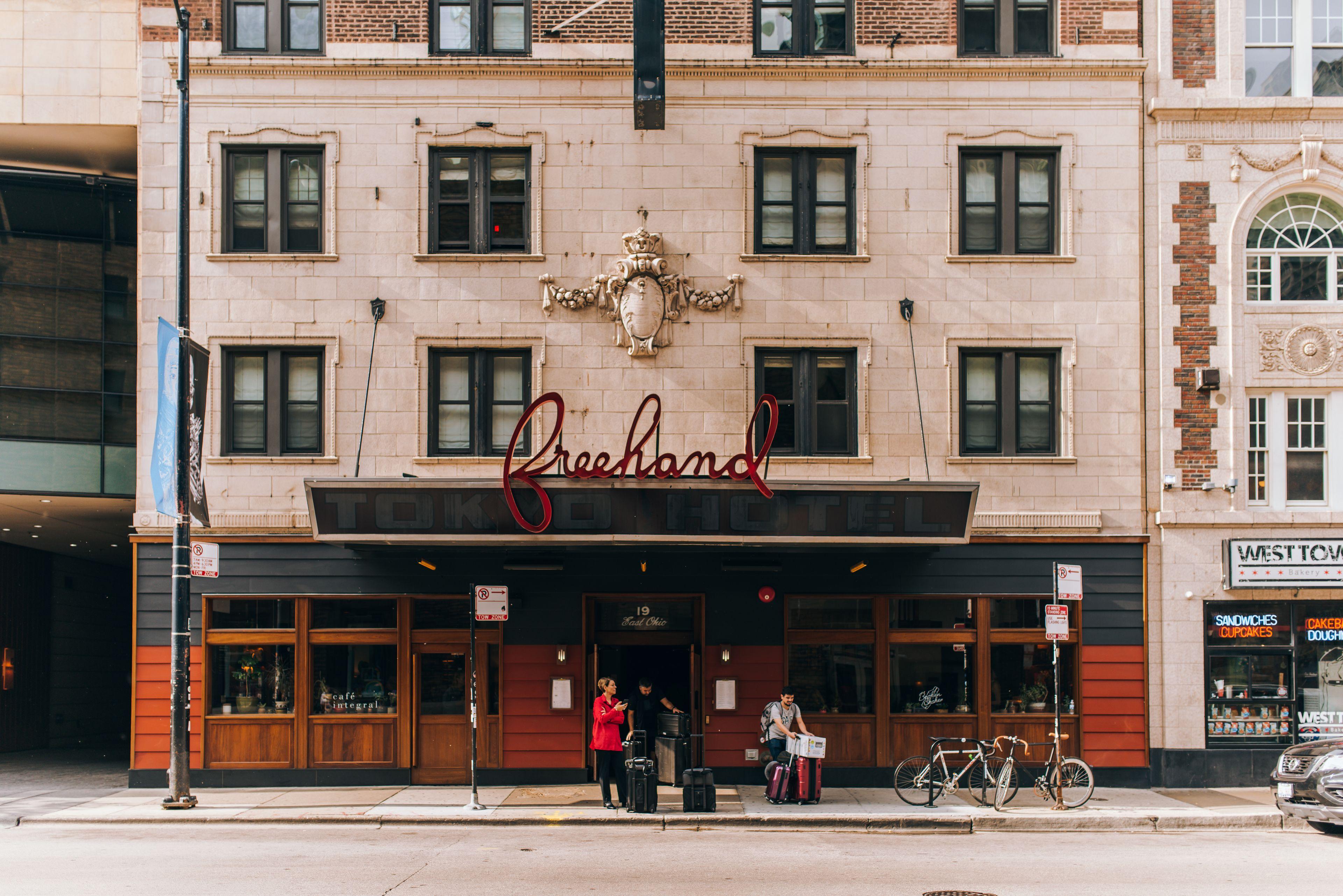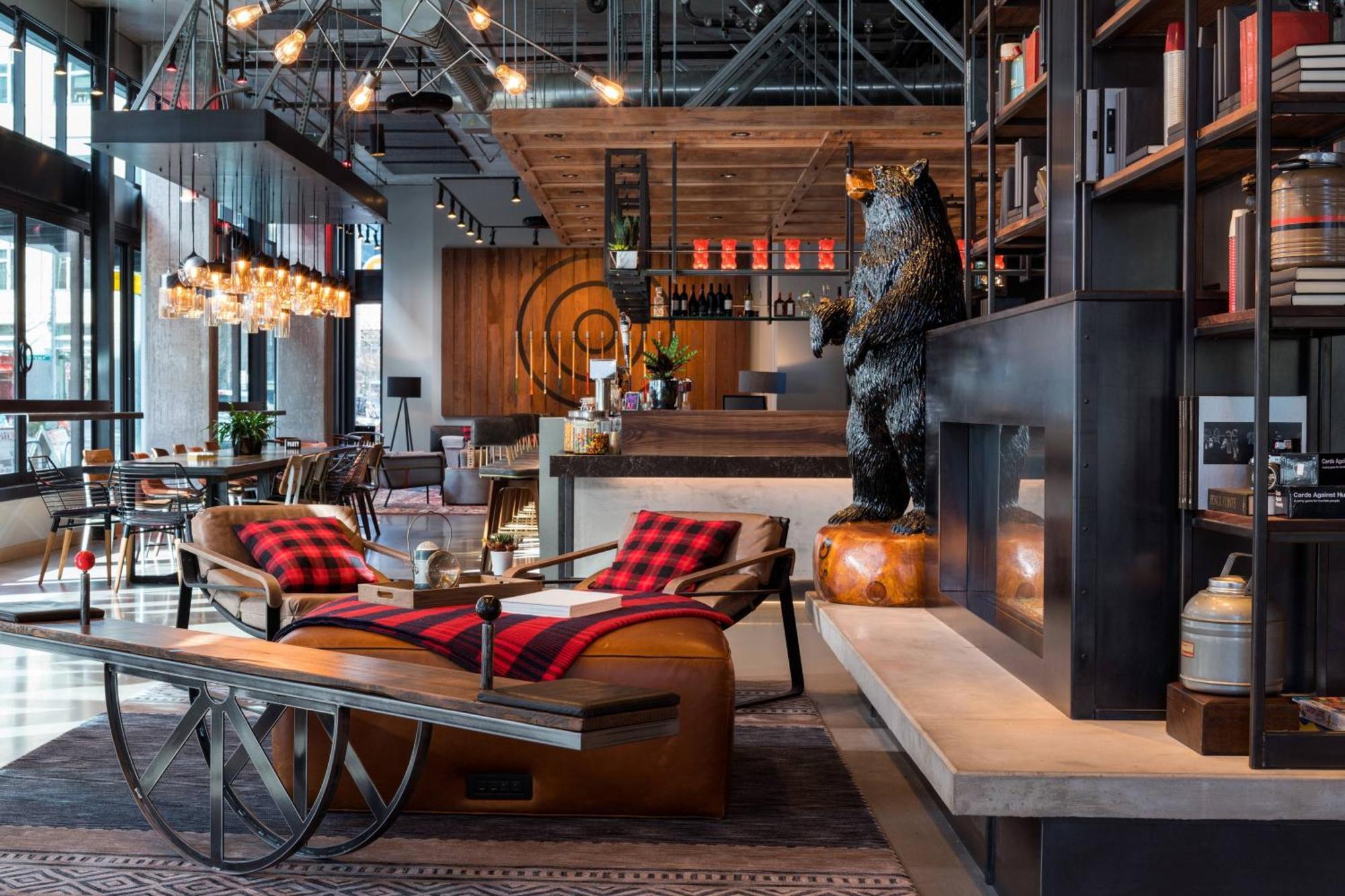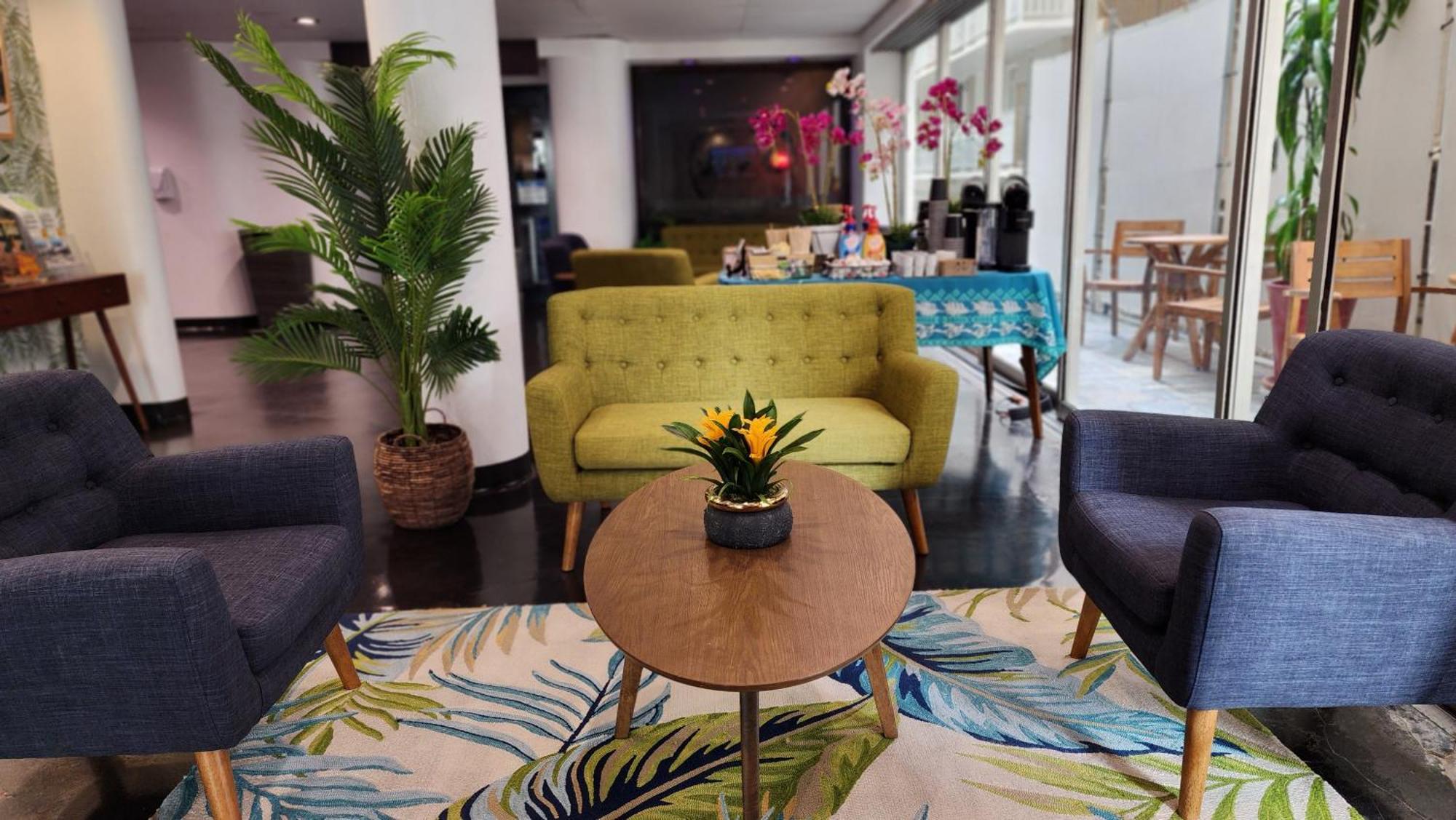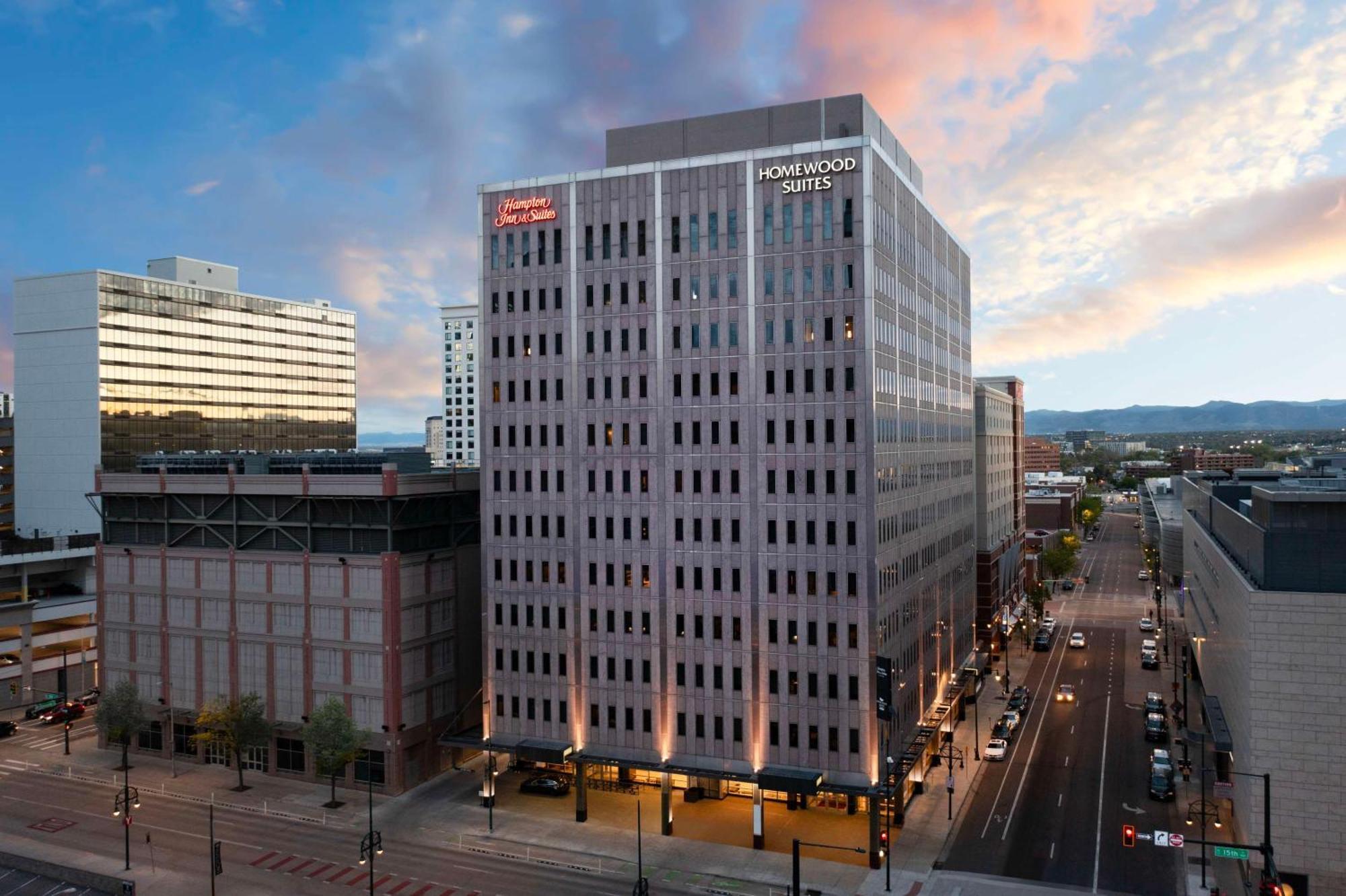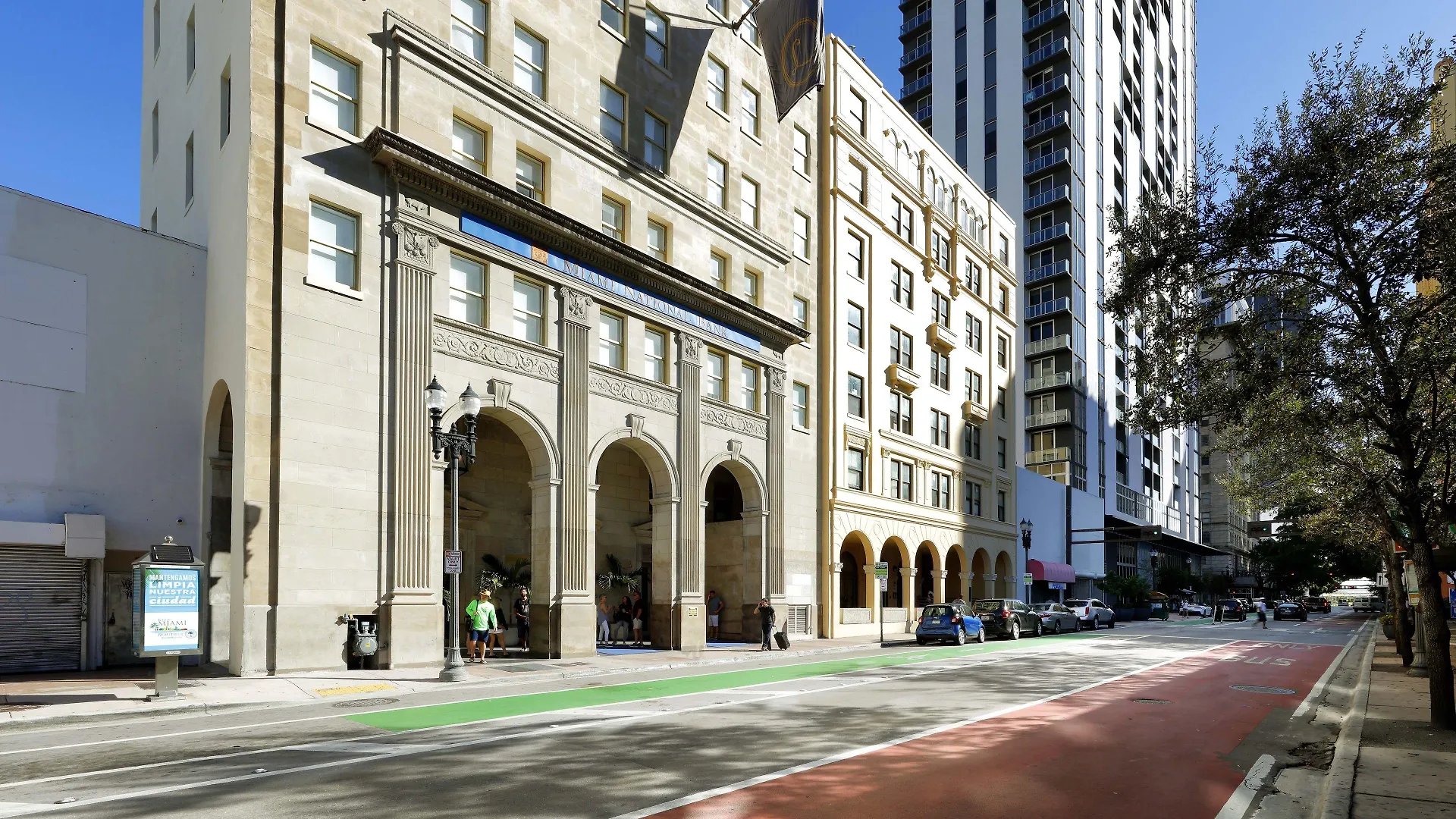
Downtown Miami has transformed from a purely financial district into one of South Florida's most architecturally and culturally layered urban zones. Staying here means direct access to Biscayne Bay waterfront, Museum Park, Kaseya Center, and the Adrienne Arsht Center for the Performing Arts - all within a walkable or Metromover-connected radius. This guide covers 10 design-forward hotels in Downtown Miami and the adjacent Brickell corridor, giving you the facts you need to book with confidence.
What It's Like Staying in Downtown Miami
Downtown Miami operates on a weekday-to-weekend rhythm that catches many visitors off guard. During business hours, Brickell Avenue and Biscayne Boulevard buzz with commuter traffic and corporate foot traffic, but by evening the district quiets considerably - especially north of SE 8th Street. The Metromover is free and connects most hotels in this guide to Brickell, Omni, and Museum Park stations in under 10 minutes, which makes a car largely unnecessary for daytime movement. Bayfront Park and the waterfront promenade are within around 800 metres of most Downtown properties, offering a genuine outdoor escape without leaving the district.
Pros:
- Free Metromover access links hotels to major venues, the arts district, and Brickell with no added transport cost
- Waterfront positioning along Biscayne Bay is accessible on foot from most Downtown hotels
- Proximity to Kaseya Center, Bayside Marketplace, and Museum Park eliminates the need for taxis on event nights
Cons:
- Weekend nightlife is concentrated in Wynwood and South Beach, requiring a ride-share or Brightline connection
- Street-level pedestrian experience on some blocks feels sparse compared to South Beach or Coconut Grove
- Parking fees at Downtown hotels frequently exceed around 40 dollars per night, making a car a costly choice
Why Choose a Design Hotel in Downtown Miami
Design hotels in Downtown Miami and Brickell tend to occupy either historic buildings with retrofitted interiors or purpose-built towers with floor-to-ceiling glass and bay-facing orientations - two very different spatial experiences at comparable price points. What sets them apart from standard chain properties in the same zip code is attention to architectural context: lobbies referencing Miami's Art Deco and modernist lineage, rooftop pools that frame Biscayne Bay rather than just face a parking lot, and dining concepts integrated into the building's identity rather than bolted on as amenities. Rates at design-forward properties in this corridor typically run around 20% higher than comparable-star standard chain hotels, but that premium often includes features - panoramic bay views, spa access, or waterfront dining - that reframe the cost-per-experience equation. Room sizes in Downtown high-rises skew larger than South Beach boutique hotels, with marble bathrooms and bay-view balconies appearing at mid-tier price points that would command a significant premium on Collins Avenue.
Pros:
- Floor-to-ceiling windows and bay-view rooms deliver a spatial quality rarely found at equivalent rates in South Beach
- On-site dining at design hotels here tends to be destination-worthy, not just convenient - waterfront tables and Latin-influenced menus are common
- Spa and wellness facilities at Downtown design properties are typically full-scale, with treatment rooms and outdoor pool decks
Cons:
- Street-level architectural character varies widely - some towers feel corporate on arrival despite elevated interiors
- Noise from Biscayne Boulevard and port-adjacent traffic can penetrate lower-floor rooms on the east side of properties
- Design hotel restaurants and bars often carry a pricing premium that adds up quickly over a multi-night stay
Practical Booking & Area Strategy
For the best waterfront positioning, prioritize hotels on or within one block of Biscayne Boulevard between NE 2nd Street and SE 2nd Street - this corridor places you within a 5-minute walk of Bayfront Park Metromover Station and the Bayside Marketplace ferry terminals. Brickell Avenue properties sit around 1.5 kilometres south and trade bay-facing views for proximity to the financial district's restaurant and bar scene, which is notably more active after dark than central Downtown. Art Basel Miami Beach in December and Ultra Music Festival in March push occupancy across all Downtown hotels to near capacity - booking around 8 weeks in advance is standard practice for those periods. The Metromover's free Omni Loop extension also connects Downtown hotels northward to the Adrienne Arsht Center and the Wynwood art corridor without requiring a taxi. Vizcaya Museum and Gardens, the Miami Art Museum at Museum Park, and the Pérez Art Museum Miami are all reachable in under 15 minutes by Metromover or rideshare from any hotel in this guide.
Best Value Design Stays
These hotels deliver design-conscious interiors and strong Downtown positioning at rates that sit below the premium waterfront tier - each with specific logistical or architectural advantages worth examining before booking.
-
1. Eurostars Langford
Show on map


 Check-infrom 15:00 until 23:59Check-outfrom 05:00 until 12:00
Just a few rooms left at the best rate!
fromUS$ 181
-
2. Yve Hotel Miami
Show on map


 Check-infrom 16:00 until 23:59Check-outuntil 11:00
Rooms filling fast – secure the best rate!
fromUS$ 60
-
3. Holiday Inn Hotel Port Of Miami-Downtown By Ihg
Show on map


 Check-infrom 15:00 until 23:59Check-outuntil 11:00
Best price guarantee
fromUS$ 86
-
4. Courtyard Miami Downtown Brickell Area
Show on map


 Check-infrom 16:00 until 23:59Check-outuntil 11:00
Rooms filling fast – secure the best rate!
fromUS$ 128
-
5. Novotel Miami Brickell
Show on map


 Check-infrom 15:00 until 23:59Check-outuntil 12:00
Hurry – almost gone at this price!
fromUS$ 123
Best Premium Design Stays
These five properties represent Downtown Miami and Brickell's upper design tier - each with a distinct architectural or experiential proposition that justifies the higher rate, from full-scale spa facilities and waterfront dining to panoramic bay suites and five-star amenity stacks.
-
6. Hilton Miami Downtown
Show on map


 Check-infrom 16:00 until 23:59Check-outfrom 08:00 until 12:00
Hurry – almost gone at this price!
fromUS$ 106
-
7. Miami Marriott Biscayne Bay
Show on map


 Check-infrom 16:00 until 23:59Check-outuntil 11:00
Rooms filling fast – secure the best rate!
fromUS$ 125
-
8. Intercontinental Miami By Ihg
Show on map


 Check-infrom 15:00 until 23:59Check-outuntil 12:00
Just a few rooms left at the best rate!
fromUS$ 146
-
4. Jw Marriott Miami
Show on map


 Check-infrom 16:00 until 23:59Check-outuntil 11:00
Just a few rooms left at the best rate!
fromUS$ 145
-
5. Four Seasons Hotel Miami
Show on map


 Check-infrom 15:00 until 23:59Check-outuntil 12:00
Hurry – almost gone at this price!
fromUS$ 215
Smart Timing and Booking Strategy for Downtown Miami
Downtown Miami's hotel market follows a December-to-April peak driven by winter escape demand, Art Basel Miami Beach (first week of December), and the Ultra Music Festival in March - during these windows, rates across design hotels in this corridor climb sharply and availability compresses fast. Booking around 8 weeks ahead is the practical minimum for Art Basel and Ultra periods; for standard winter travel between January and March, around 4 weeks gives reasonable rate access before properties shift to peak pricing. The quietest and most affordable window runs from late August through October, when summer heat dissipates and hurricane season risk, while statistically present, rarely affects the mainland Miami experience directly. A stay of 3 nights covers Biscayne Bay waterfront access, a Metromover exploration of the arts district, and at least one evening in Brickell's dining corridor without feeling rushed. Last-minute bookings in summer can yield genuine rate reductions at mid-tier design hotels, but premium properties - particularly the Four Seasons and InterContinental - hold rates more consistently year-round given their corporate and events demand base.