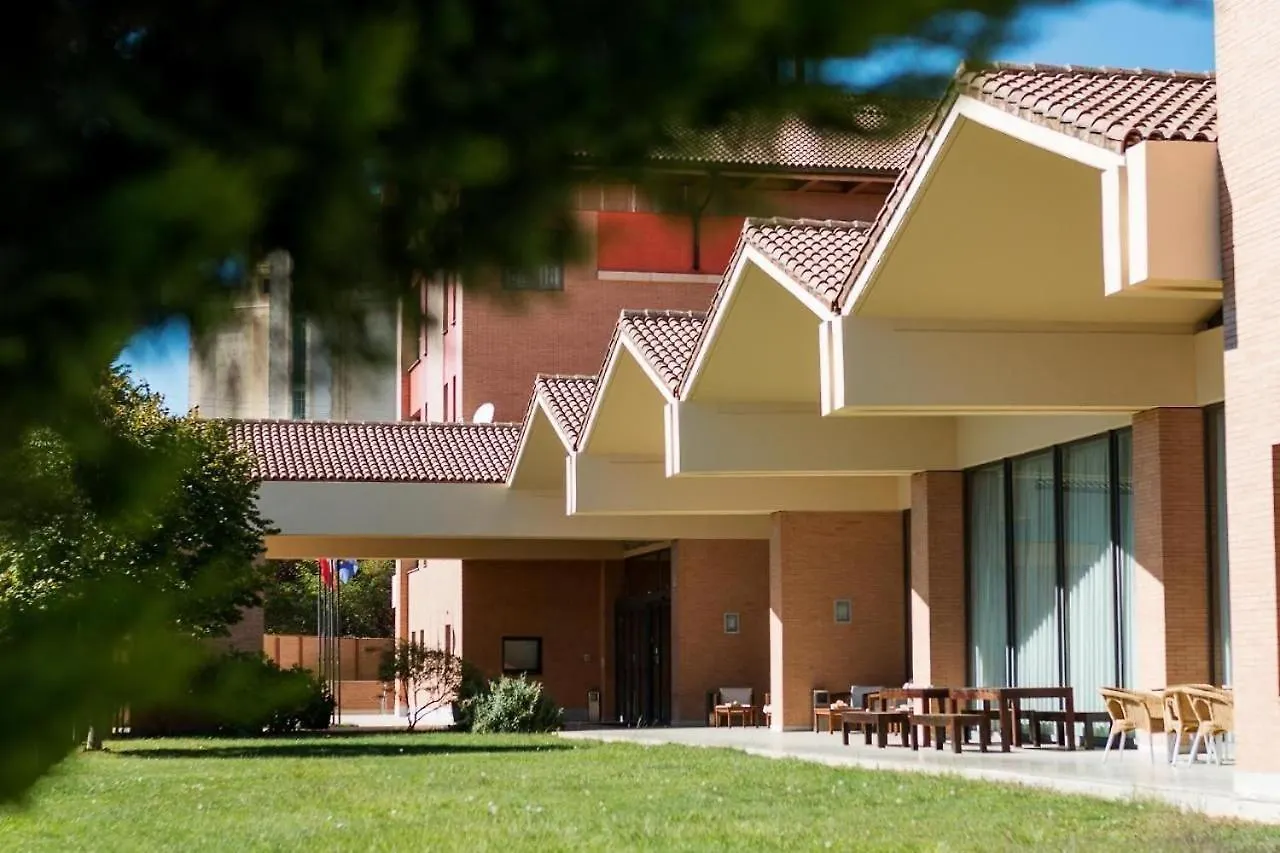
Castile and Leon is Spain's largest autonomous community, covering nine provinces including Salamanca, Ávila, and León - each with UNESCO-listed monuments, medieval architecture, and landscapes ranging from the Duero river valley to the Sierra de Gredos mountains. This guide compares four 4-star hotels across the region to help you choose the right base for your trip, whether you're focused on cultural exploration, outdoor activities, or city immersion.
What It's Like Staying in Castile and Leon
Castile and Leon rewards slow travel. The region spans over 94,000 square kilometers, which means distances between its major cities - Salamanca, Burgos, Valladolid, León - are significant, and having a car changes your trip entirely. Public transport exists between capitals but is infrequent, and rural properties near the Sierra de Gredos or the Tietar valley are essentially inaccessible without your own vehicle. The region draws a mix of Spanish domestic tourists, cultural heritage travelers, and hikers, with peak season concentrated in summer and around Semana Santa.
Salamanca's old city stays busy year-round due to its student population and university tourism, while smaller towns like Candeleda or Santa Maria del Tietar offer near-total quiet outside of August. Crowds at iconic landmarks like the Plaza Mayor or the Salamanca Cathedral can be dense mid-morning, but thin out significantly by late afternoon - a practical reason to base yourself in the city rather than commuting from a rural property.
Pros:
- Exceptional concentration of UNESCO World Heritage Sites - Salamanca, Ávila, Burgos Cathedral, and Atapuerca are all within the region
- Rural areas like the Tietar Valley offer hiking, cycling, and fishing with minimal crowds outside peak summer weeks
- Accommodation costs are notably lower than Madrid or Barcelona for equivalent hotel categories
Cons:
- A car is essential for reaching rural 4-star properties; relying on public transport limits your options significantly
- August brings intense heat inland, with temperatures regularly exceeding 35°C in cities like Salamanca and Valladolid
- Some rural areas have limited dining and nightlife options beyond the hotel itself
Why Choose a 4-Star Hotel in Castile and Leon
In Castile and Leon, 4-star hotels occupy a distinct and well-defined niche: they typically offer facilities that budget properties can't match - restaurants serving local Castilian cuisine, private parking (often free, unlike Madrid), and amenities like outdoor pools or terraces - while remaining substantially more affordable than equivalent-category hotels in Spain's major urban centers. A 4-star stay here can cost around 40% less than a comparable room in Madrid, especially in rural or secondary cities. In practical terms, this means you get real space, proper breakfasts, and leisure infrastructure without the price pressure of a capital-city booking.
The trade-off is connectivity: 4-star rural properties in this region are often positioned for nature access rather than urban convenience, so guests without a car may find themselves isolated. City-based 4-star options in Salamanca give you walkability and cultural access, while rural picks near Candeleda or the Tietar Valley are better suited to hikers or families who want outdoor activities as their primary focus. Room sizes at 4-star level here are generally generous, with balconies, seating areas, and private bathrooms being standard rather than premium extras.
Pros:
- Free private parking is standard at most rural 4-star properties - a meaningful saving compared to city-center hotels
- On-site restaurants at this category typically serve regional Castilian dishes, removing the need to travel for quality dining
- Outdoor pools, terraces, and garden access are common at rural 4-star hotels, making them practical for multi-night family stays
Cons:
- Rural 4-star hotels require a car; airport transfers (where offered) must be pre-booked and add cost
- Seasonal outdoor pools are only operational from approximately late June through early September
- Gluten-free and dietary-specific options are available at some properties but must be confirmed in advance
Practical Booking and Area Strategy for Castile and Leon
Salamanca is the strongest urban base in the region for 4-star travelers - its historic center is compact and walkable, the Plaza Mayor is one of Spain's finest baroque squares, and the University of Salamanca (founded in the 13th century) draws visitors year-round. Booking a property within walking distance of the Plaza Mayor eliminates the need for a car within the city, though you'll still want one for day trips to Ávila (around 90 km away) or the Sierra de Gredos. For nature-focused itineraries, Candeleda and the Tietar Valley are better positioned - both areas offer direct trail access into the Sierra de Gredos Natural Park, with hiking routes suitable for varying fitness levels.
Peak booking pressure in Castile and Leon concentrates around Semana Santa (Holy Week) and the last two weeks of August, when domestic tourism surges across the region. Booking at least 6 weeks ahead during these windows is strongly advised for 4-star properties with outdoor pools or on-site restaurants, as availability tightens quickly. Outside these periods, last-minute rates are often available, particularly at rural properties in the Tietar Valley or smaller towns like Sahagún. Sahagún itself sits on the Camino de Santiago Francés route, making it relevant for pilgrimage travelers needing a quality overnight stop between Burgos and León.
Best Value Stays
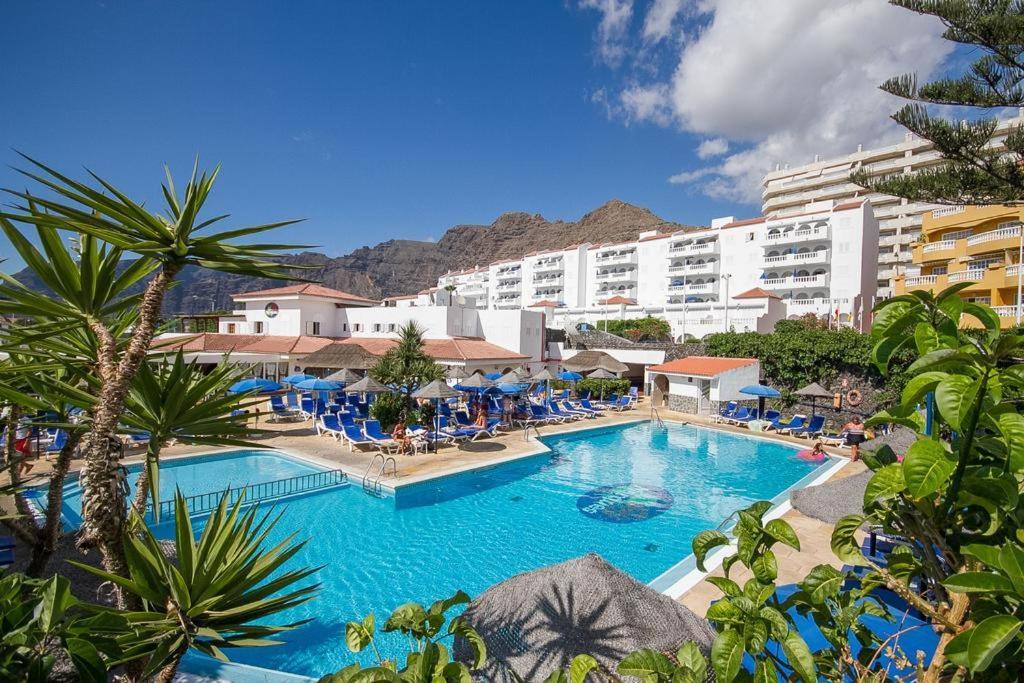
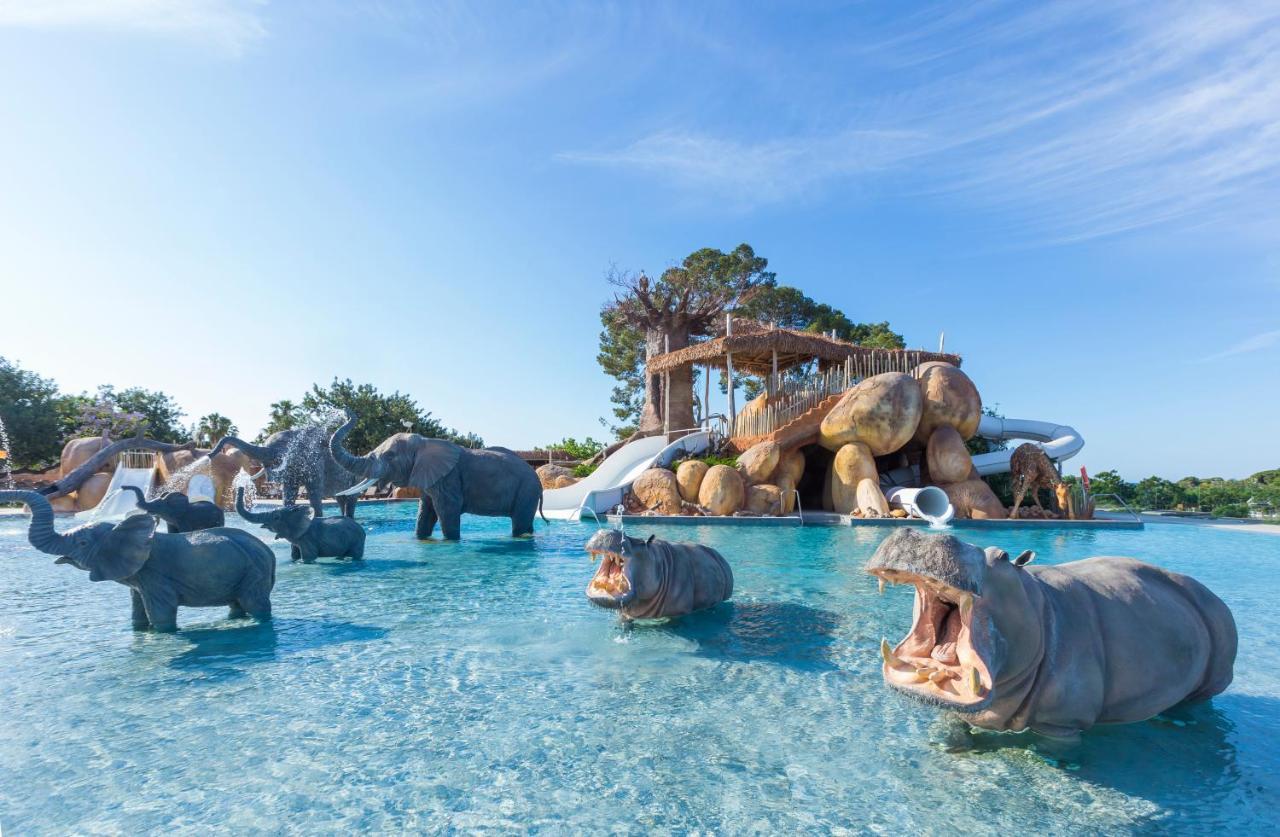
These properties deliver strong 4-star facilities at accessible price points, with rural positioning that suits nature travelers, hikers, and families looking for space and outdoor access in Castile and Leon.
-
1. La Posada Del Tietar
Show on map


 Check-infrom 16:00 until 21:00Check-outfrom 09:00 until 11:00
Just a few rooms left at the best rate!
from€ 65
-
2. Hotel Nabia
Show on map


 Check-infrom 15:00 until 23:00Check-outfrom 09:00 until 12:00
Just a few rooms left at the best rate!
from€ 211
-
3. Hotel Puerta De Sahagun
Show on map


 Check-infrom 15:00 until 23:00Check-outfrom 07:00 until 12:00
Hurry – almost gone at this price!
from€ 1213
Best Premium Stay
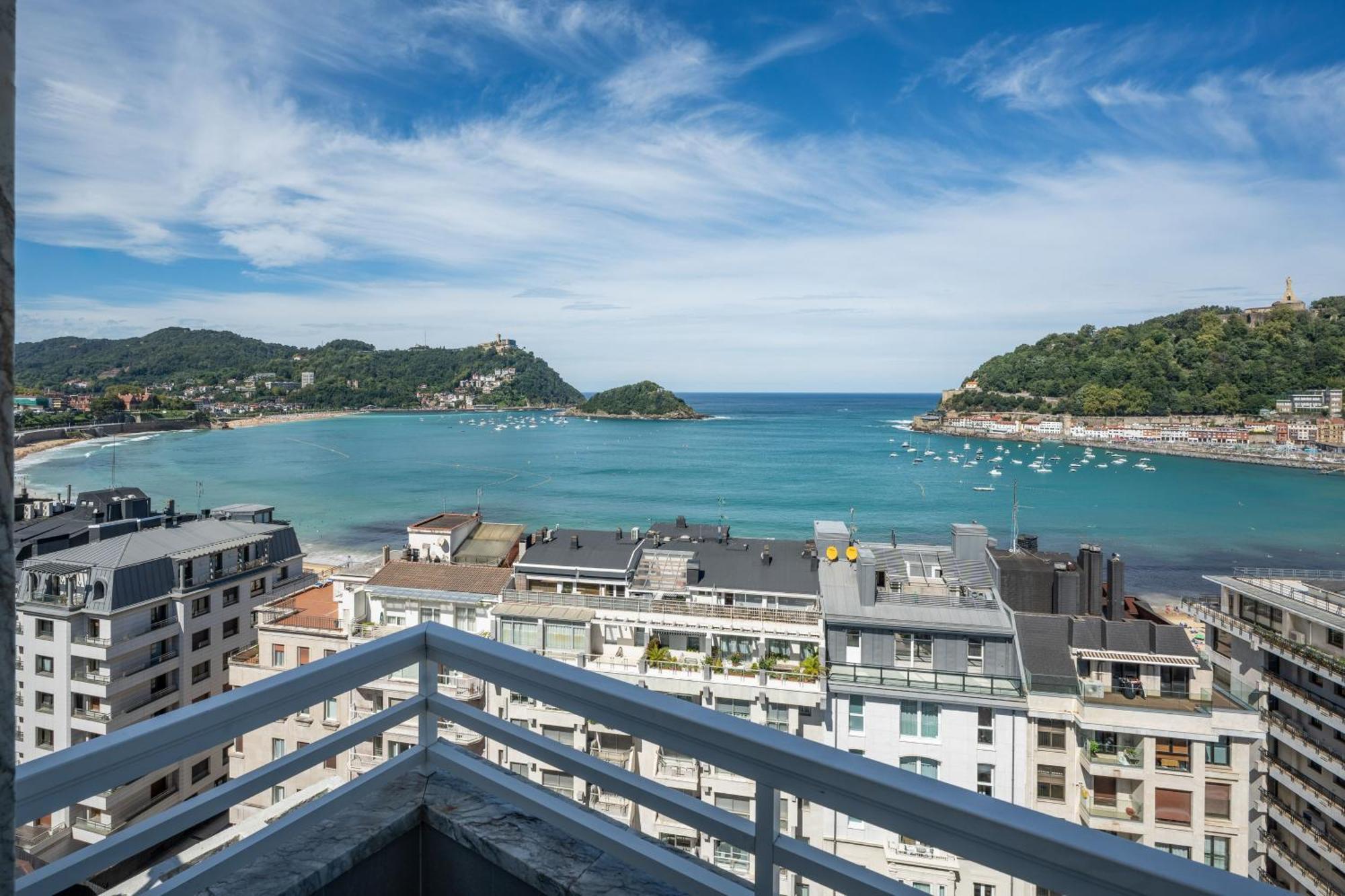
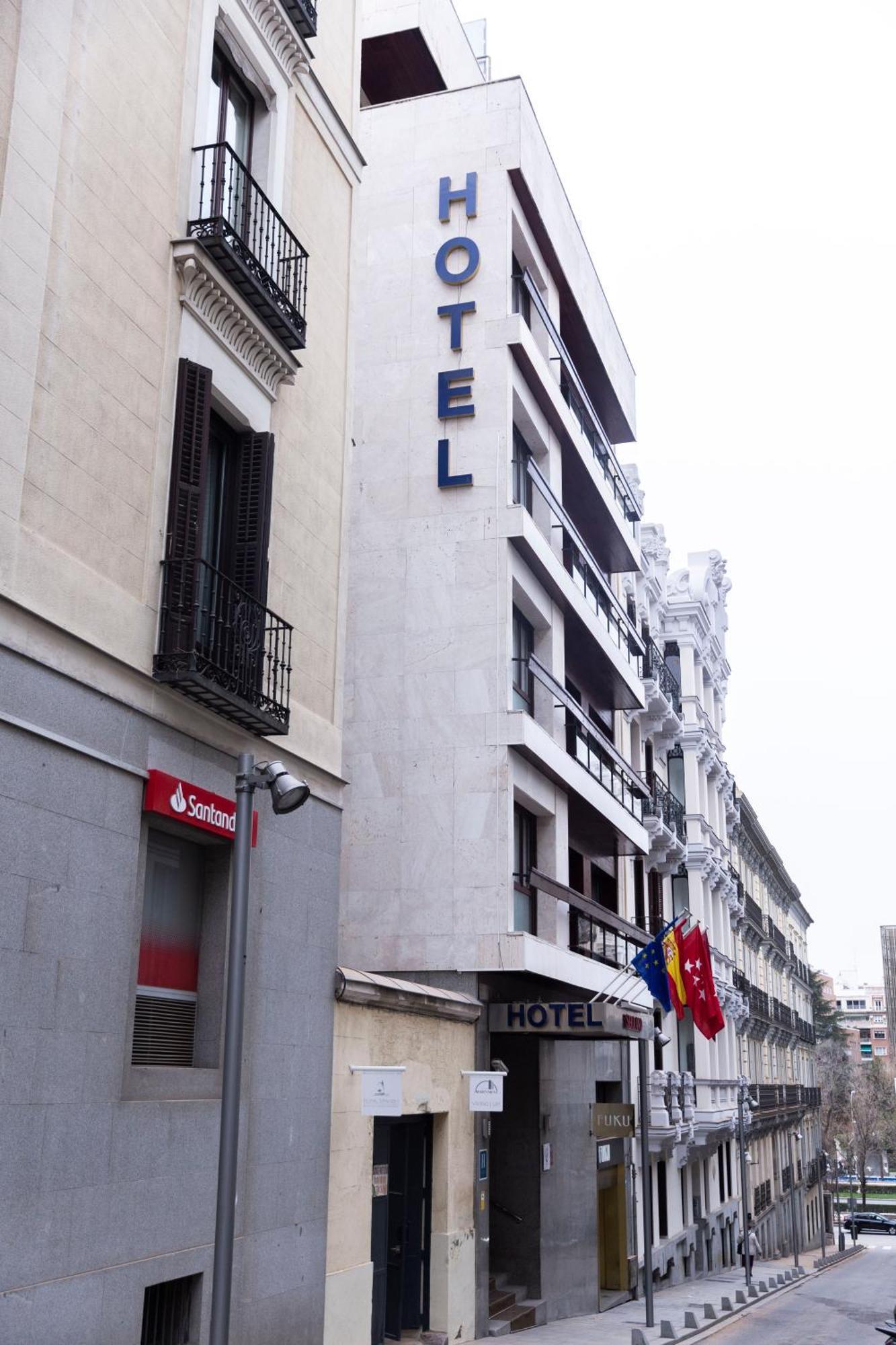
For travelers prioritizing city-center access, cultural proximity, and self-catering flexibility, this Salamanca property stands out as the most urban and independently functional option in this selection.
-
4. Salamanca Suite Studios
Show on map


 Check-infrom 14:00 until 23:59Check-outfrom 05:00 until 12:00
Rooms filling fast – secure the best rate!
from€ 84
Smart Travel and Timing Advice for Castile and Leon
The optimal window for visiting Castile and Leon in terms of weather, crowd balance, and value is May through June and September through October. During these months, temperatures in Salamanca and the Tietar Valley are comfortable for both city walking and Sierra de Gredos hiking, and accommodation rates are lower than peak summer. July and August bring the highest occupancy across the region, particularly at rural properties with outdoor pools like Hotel Nabia, where families book weeks in advance. Salamanca Suite Studios, being city-center, stays consistently occupied year-round due to the university calendar and cultural tourism - advance booking of at least 3 weeks is advisable for weekend stays.
For the Camino de Santiago stretch through Sahagún, late spring and early autumn are the most popular walking seasons; summer walkers face intense heat on the exposed Meseta. A minimum stay of 2 nights is practical at rural properties in the Tietar Valley or Candeleda - the distance from major airports means one-night stays rarely justify the travel time. Last-minute deals are more realistic in November through February, when rural Castile and Leon sees its lowest domestic and international demand, though some outdoor facilities including pools may be closed during this period.